


Security & Risk
98 posts
What breaks, who is liable, and what an agent can reach once it is already inside.
Start with: Your AI Assistant Can't Tell You From an Attacker →
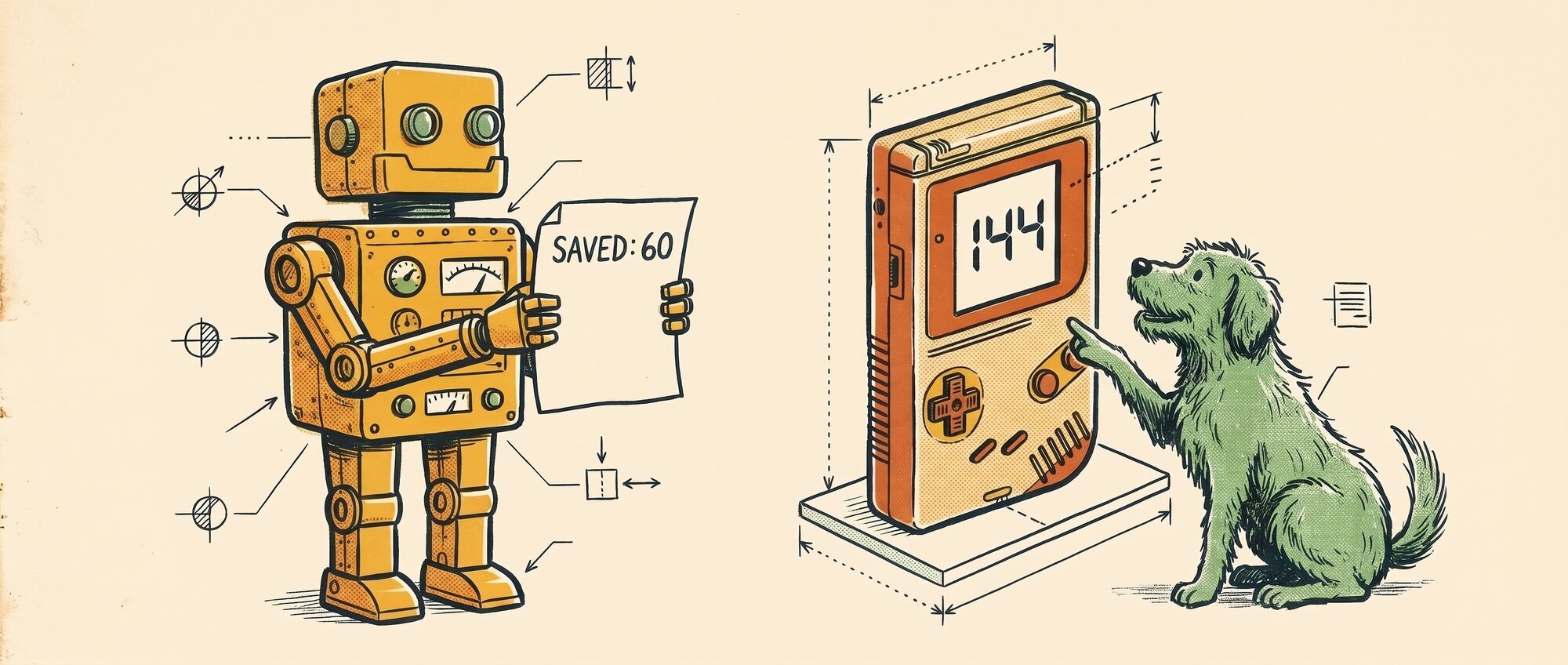
An AI agent changed a setting on my Legion Go, and Steam's config file showed it saved. A screenshot of the settings panel showed it hadn't taken effect. Anything new or recently adjusted needs oversight.
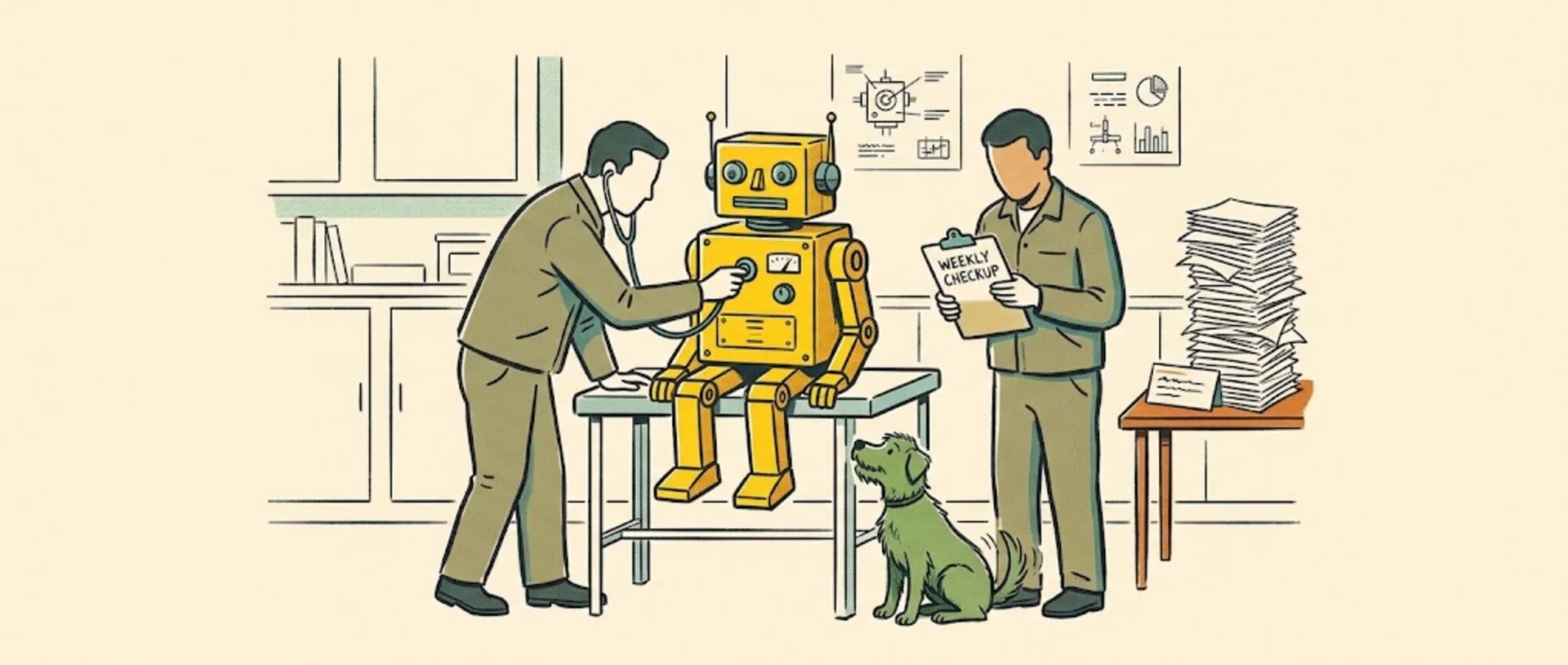
Once a week, ask the assistant your team shares what would improve its instructions. Keep any rules it adds succinct, and give the bot two human owners.
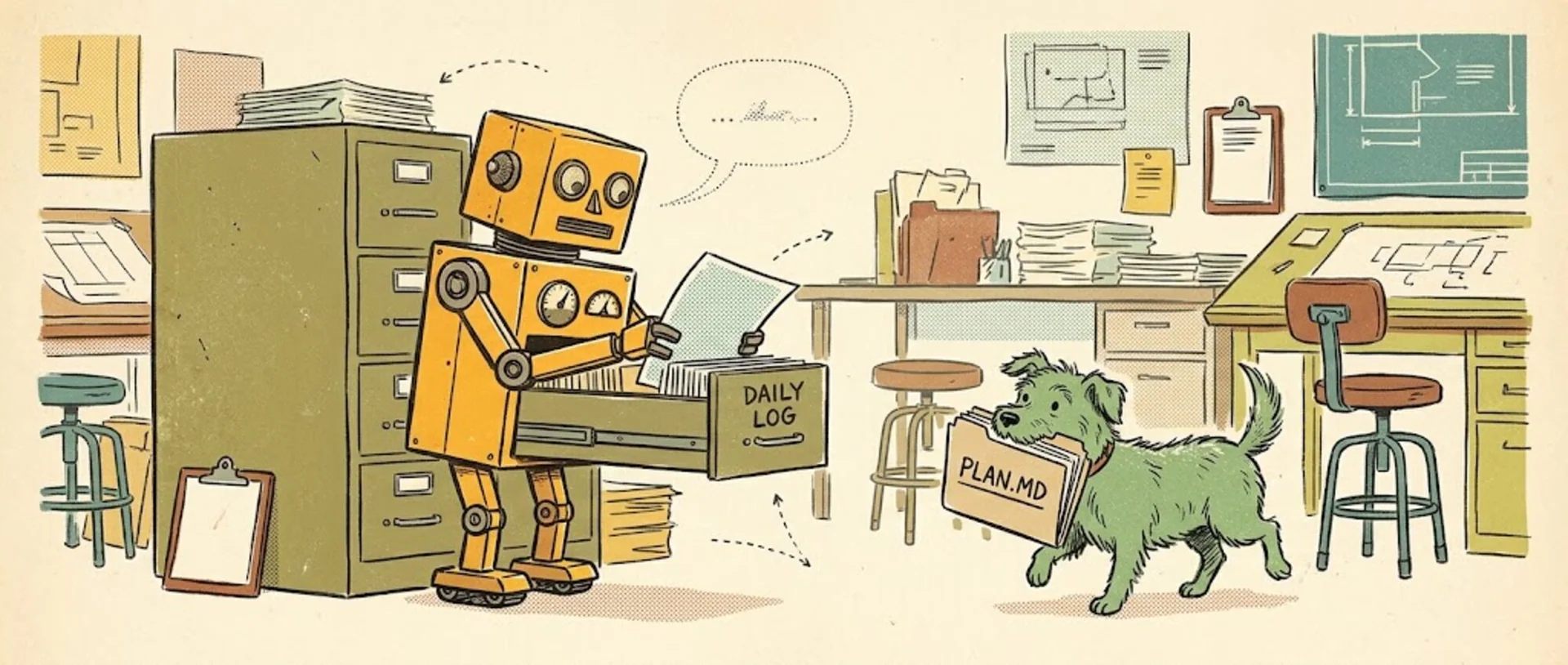
I've kept a daily log in a file since the early days of using models, so I can switch models or start a new chat and pick up where I was. Ask for your work as files, and keep them in named folders.
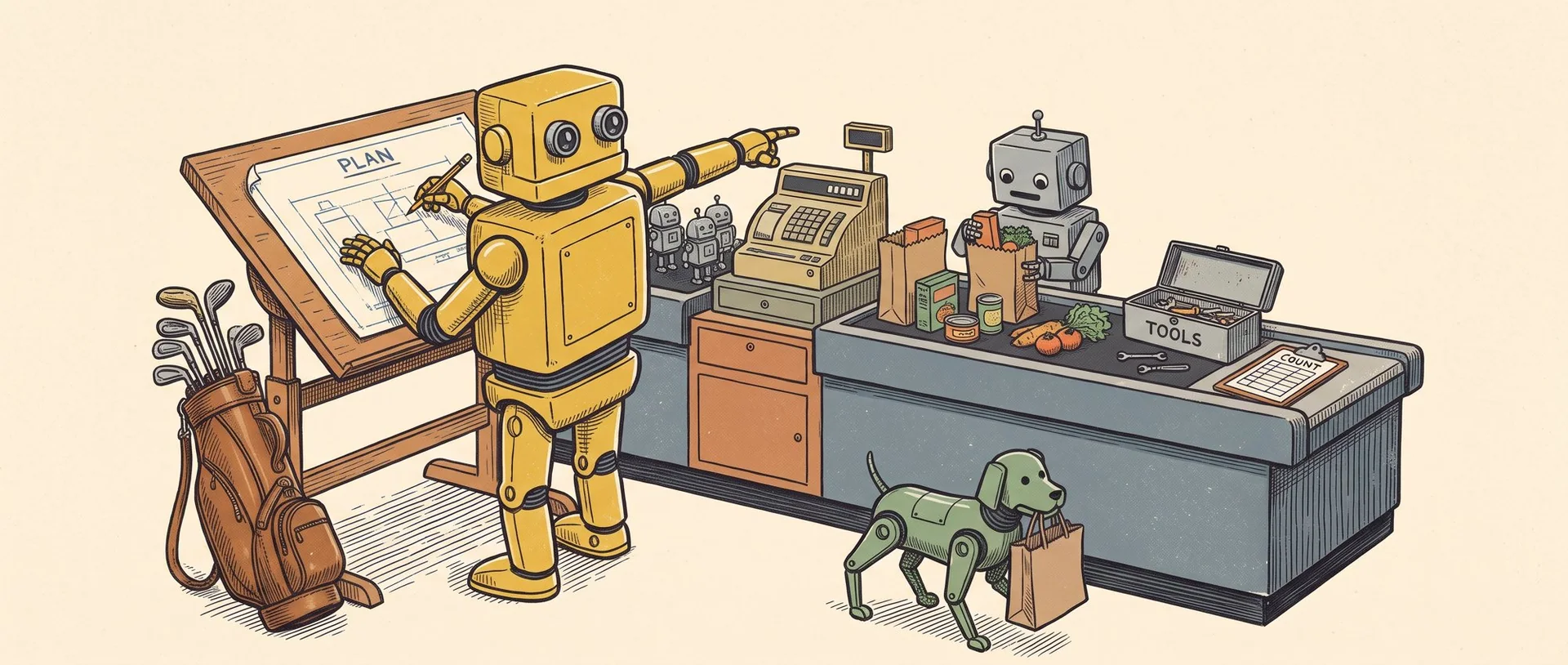
A big model should plan the work and find the tools, libraries and free databases that already exist. Smaller models, or programs on your own computer, do what I like to call the donkey work.
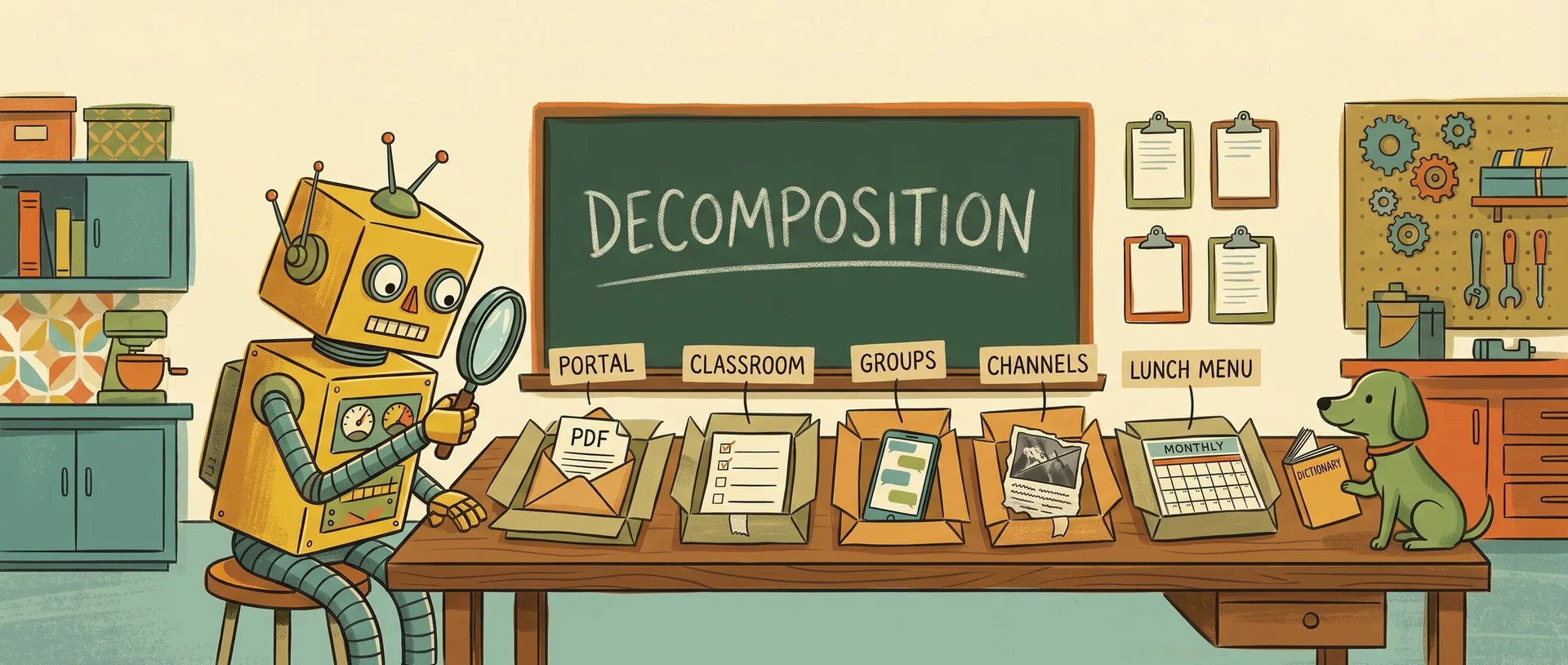
Part 2 of a build log about a school family knowledge base: what information each of the eight sources holds, and the format it arrives in.
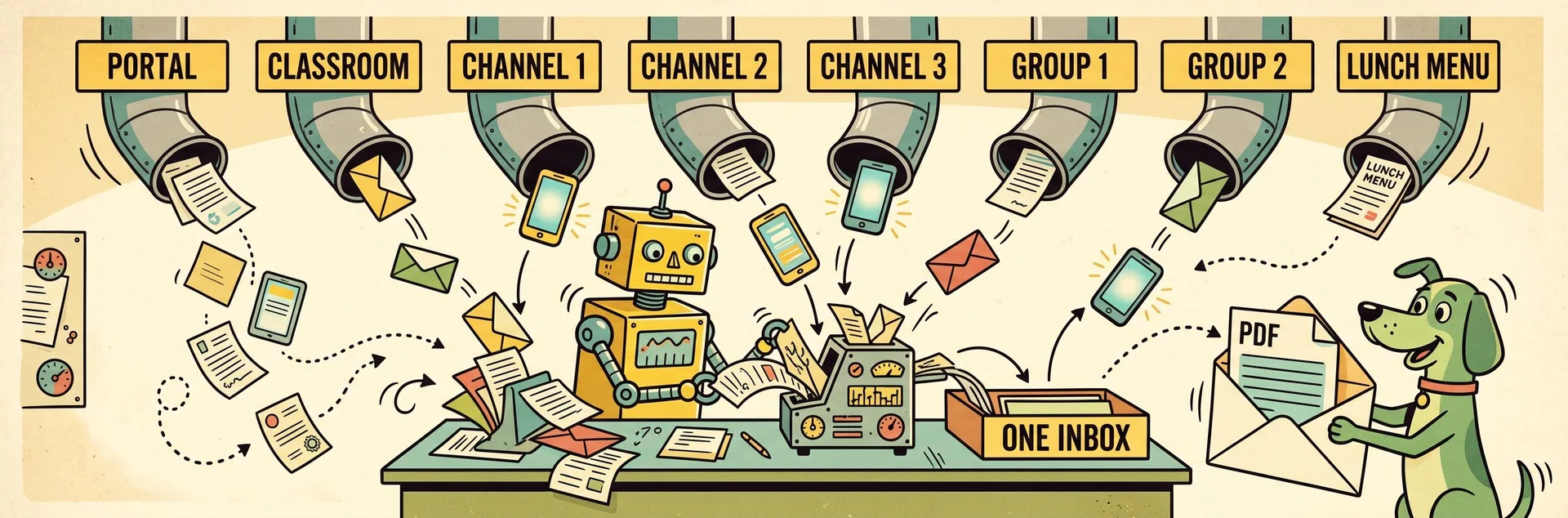
Schools send us information in eight places. That's a lot of channels for parents to coordinate and understand. Part 1 of a build log: the main issue, and how the tasks have to be broken down.
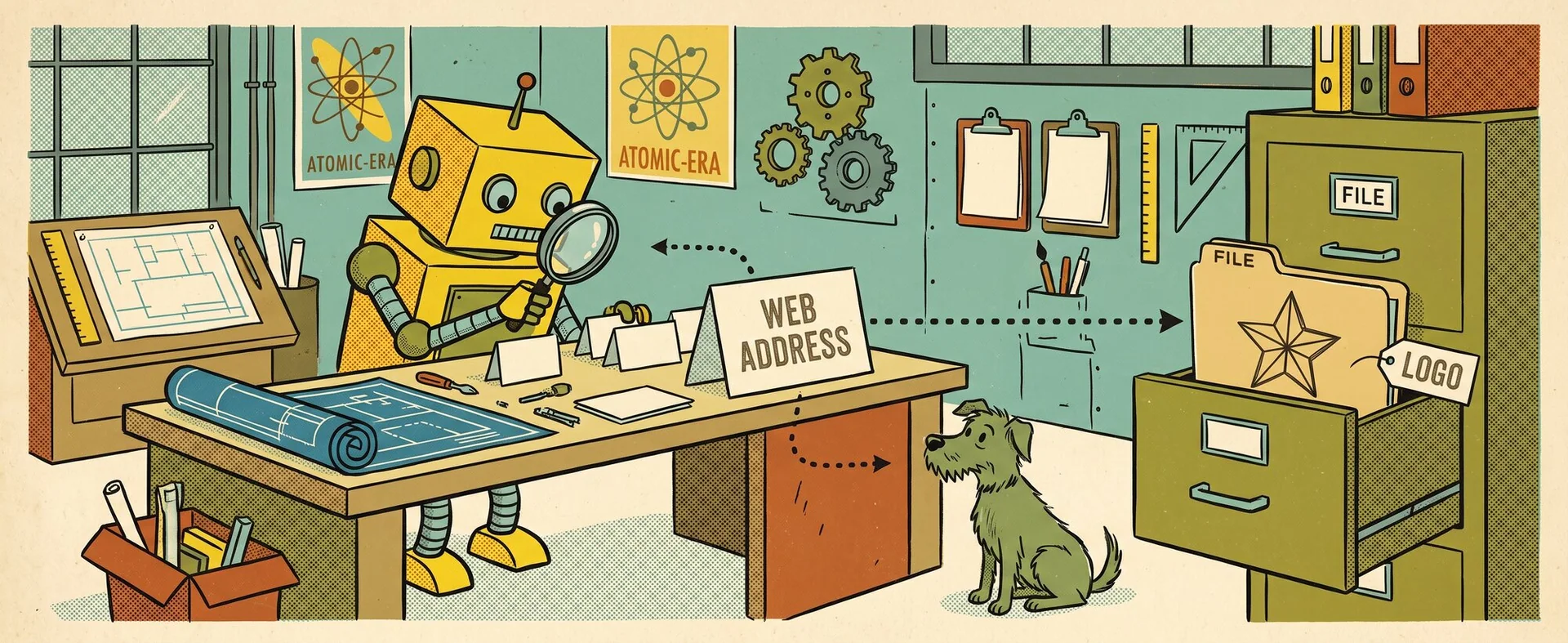
Logo.dev returns a company's logo, colours and brand details from its web address. Here is what it does, how to connect it to Claude, and what to use it for.
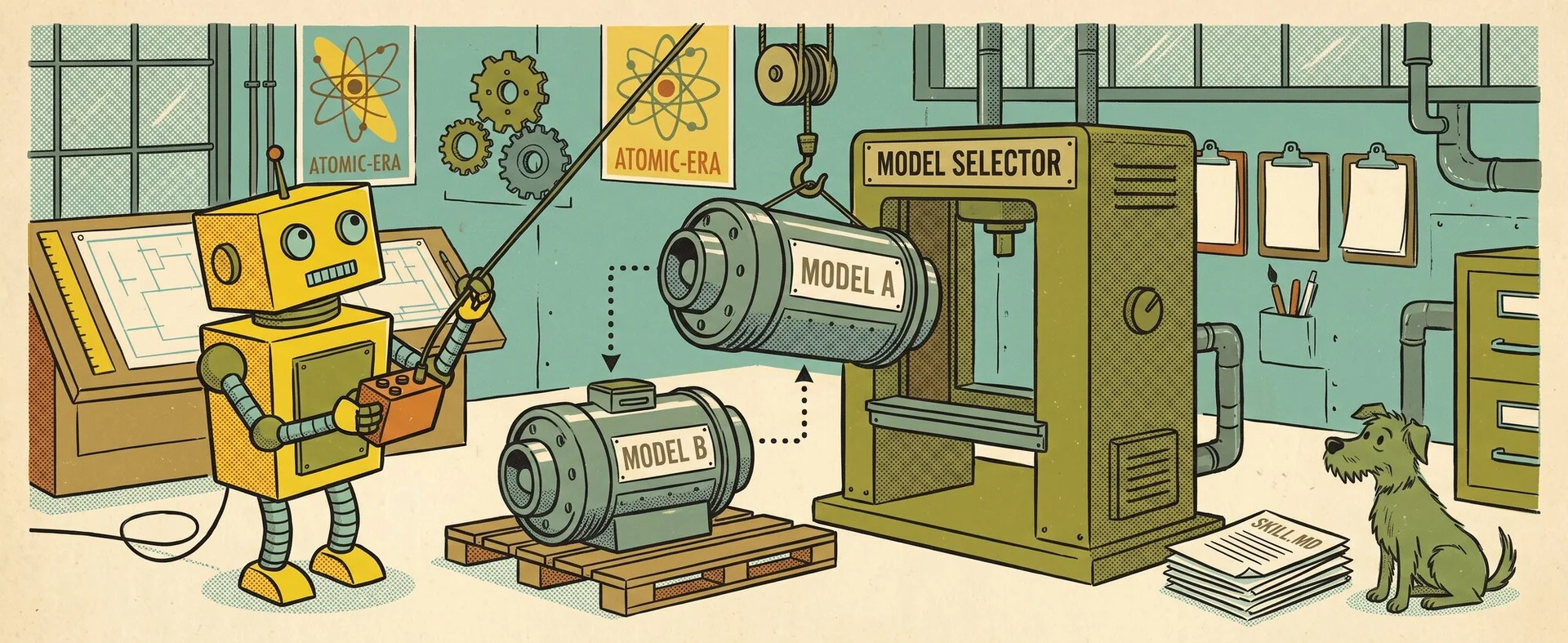
Google’s workplace agent can use models from more than one provider. I want to know what happens to my instructions, files and work history when I switch.
Posts can belong to more than one topic, so these counts overlap.
What breaks, who is liable, and what an agent can reach once it is already inside.
Start with: Your AI Assistant Can't Tell You From an Attacker →
Agents, MCP, and wiring AI into the systems you already run.
Start with: AI That Actually Works Together →
Prompting, memory, and getting real work out of the model, including knowing when not to trust it.
Start with: How to Talk to AI (and Actually Get What You Want) →
Making things with AI: coding, local models, and open weights.
Start with: You Don’t Need to Be an Expert to Start Making Things with AI →
The labs, the money, and what enterprises are actually doing.
Start with: The 95% AI Failure Rate Nobody's Talking About (And What to Do About It) →
Running a business and trying to use AI without wasting time, budget, or trust.
Building with agents, workflows, MCP, or model-based tools inside real operating systems.
Watching risk, liability, and security more closely than the average AI optimist.