Working with AI
Prompting, memory, and getting real work out of the model, including knowing when not to trust it.
Showing 1–20 of 98 posts
-
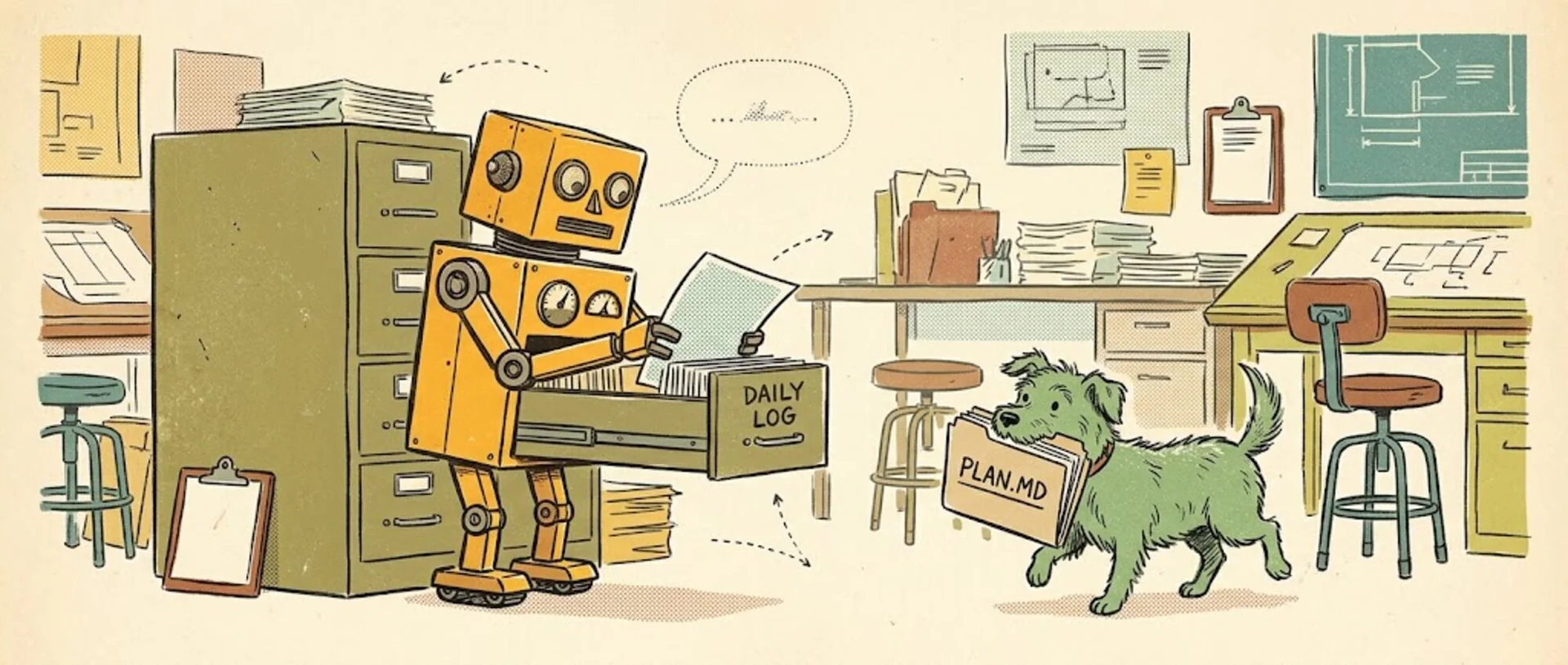
Ask your AI to save its work as files
I've kept a daily log in a file since the early days of using models, so I can switch models or start a new chat and pick up where I was. Ask for your work as files, and keep them in named folders.
-
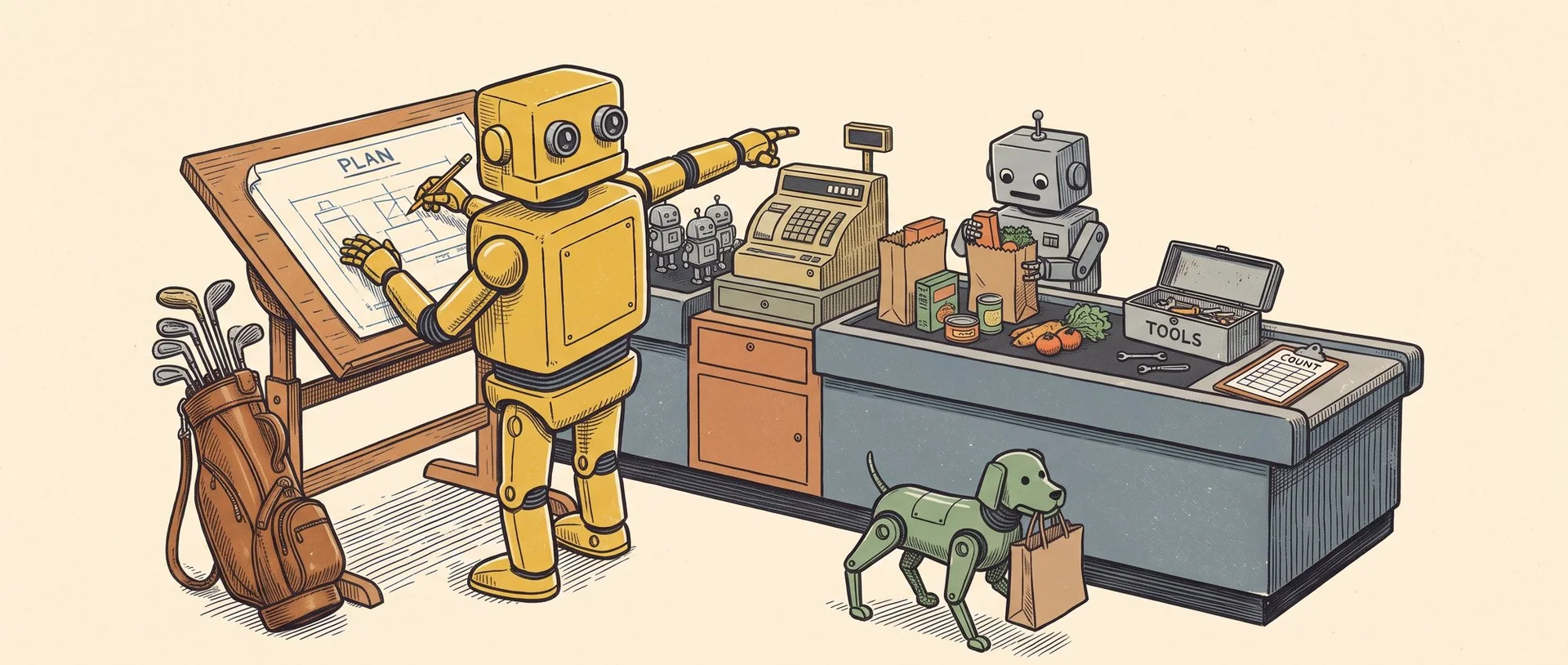
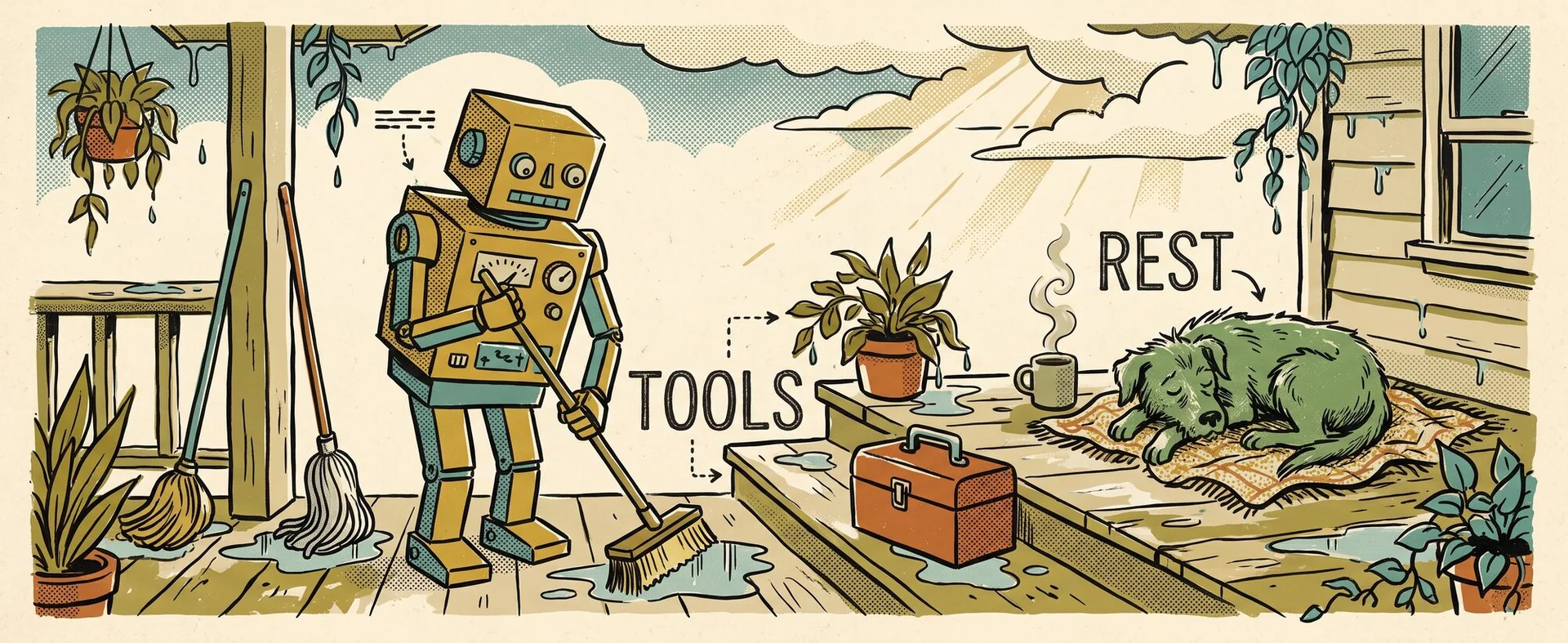
Plan big, do small
A big model should plan the work and find the tools, libraries and free databases that already exist. Smaller models, or programs on your own computer, do what I like to call the donkey work.
-
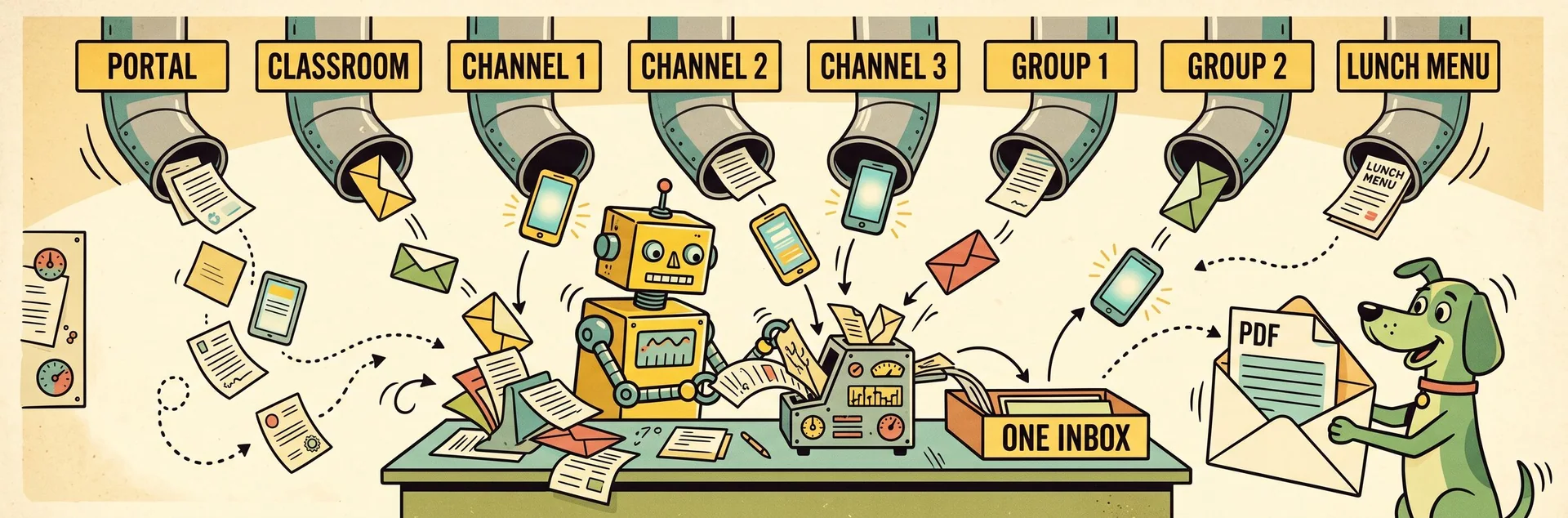
School family knowledge base, part 2
Part 2 of a build log about a school family knowledge base: what information each of the eight sources holds, and the format it arrives in.
-
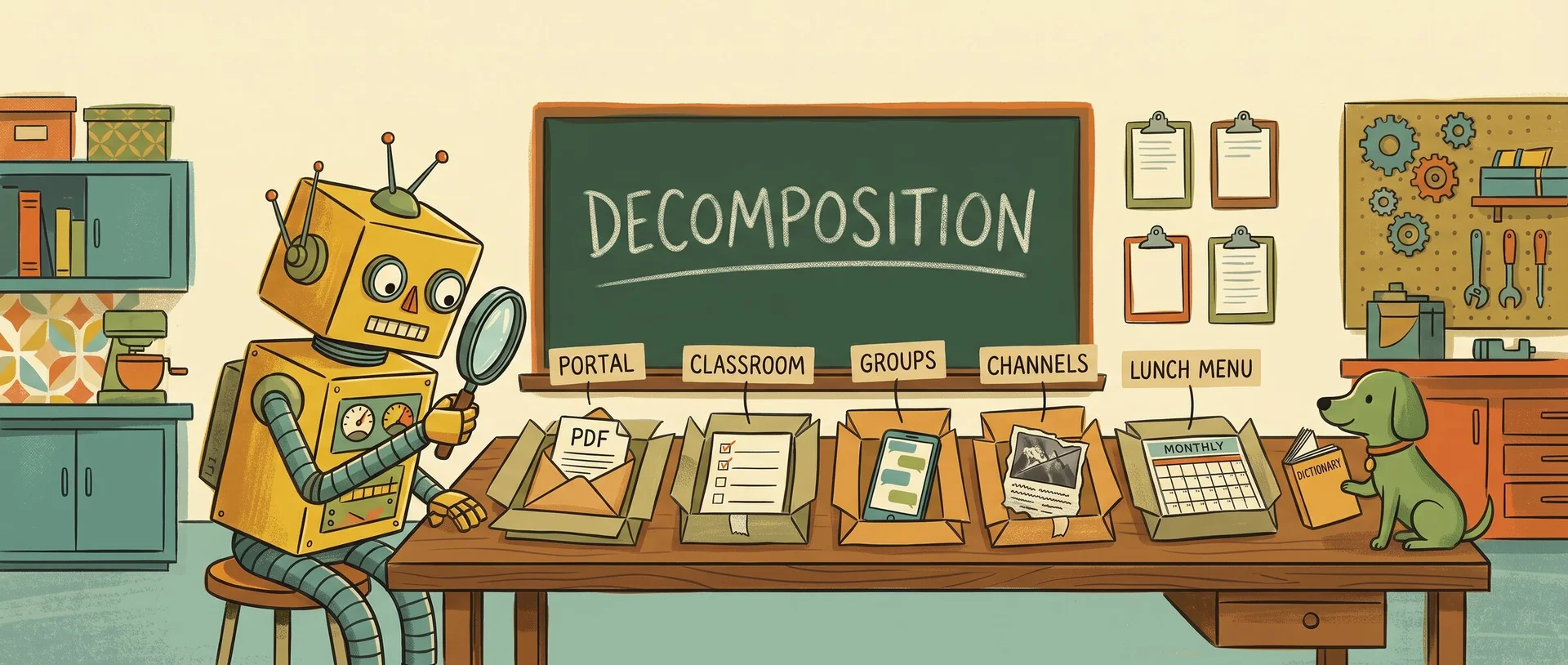
School family knowledge base, part 1
Schools send us information in eight places. That's a lot of channels for parents to coordinate and understand. Part 1 of a build log: the main issue, and how the tasks have to be broken down.
-
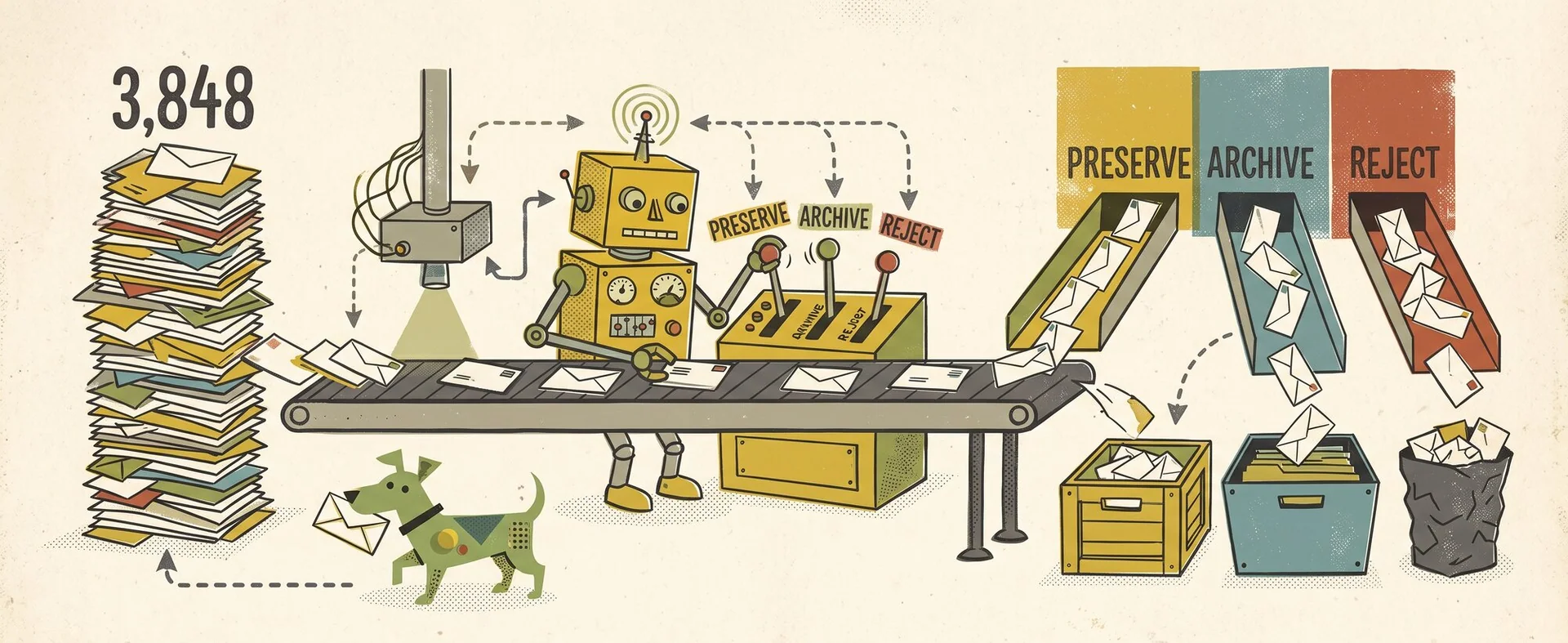
The 3,848-Message Sieve
What It Takes to Let an Agent Clean Your Inbox
-
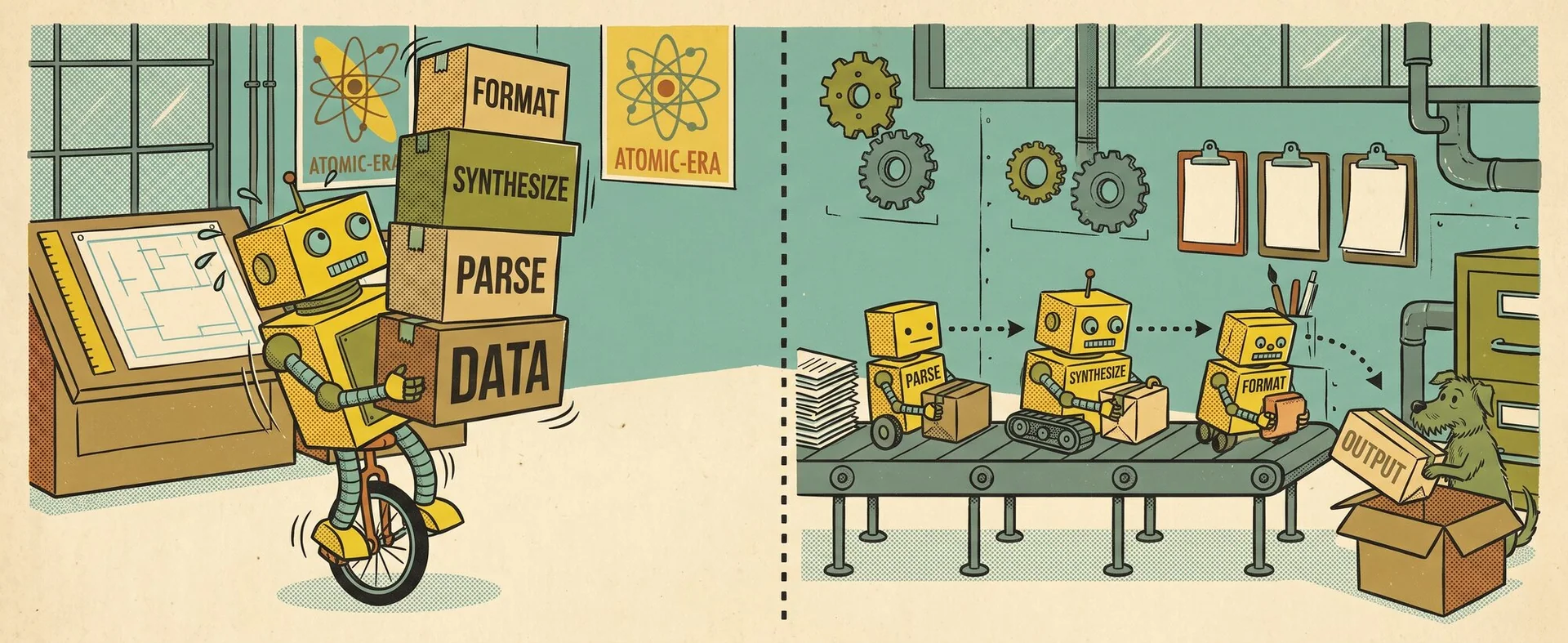
The Infinite Sandwich and the Made Bed
Why Systems Thinking Is Your Real AI Superpower
-
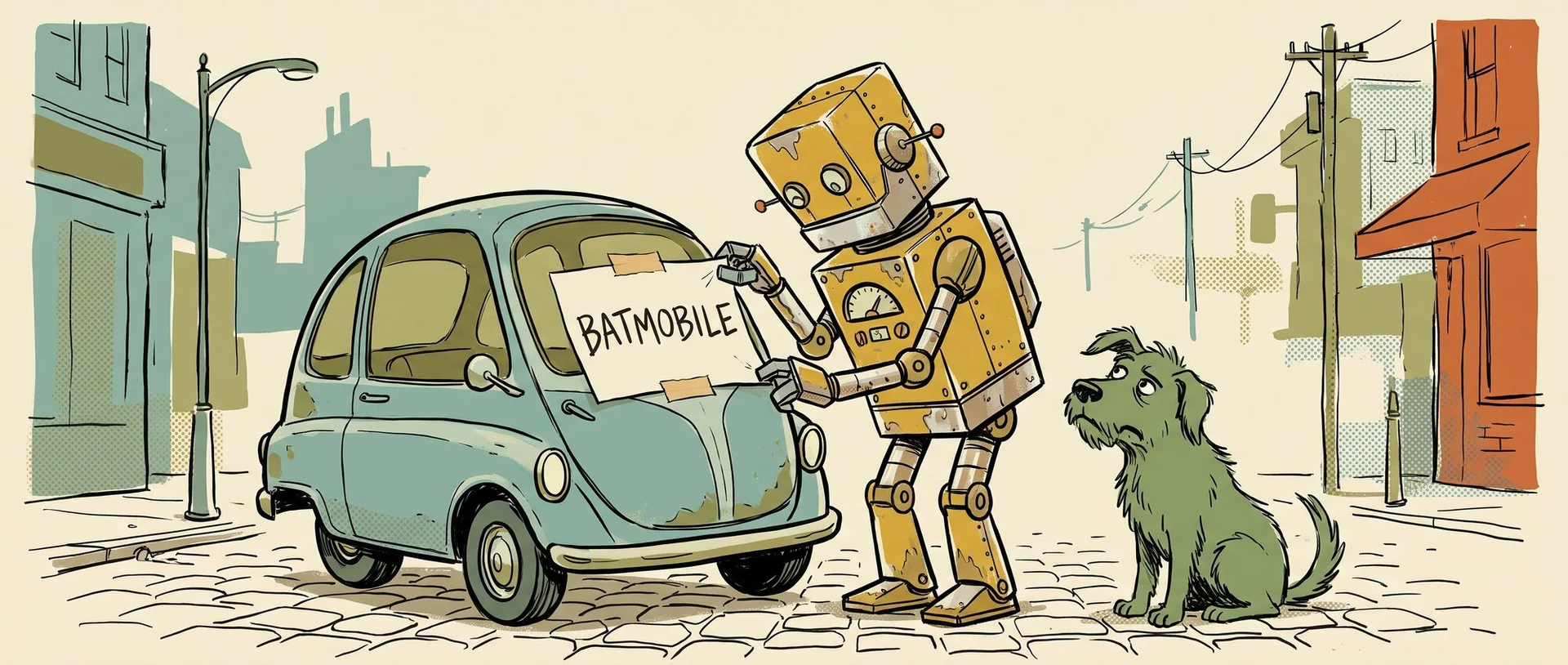
Hey, That's Not the Real Batmobile!
Why "You Are A Marketing Expert" Isn’t A Prompt
-
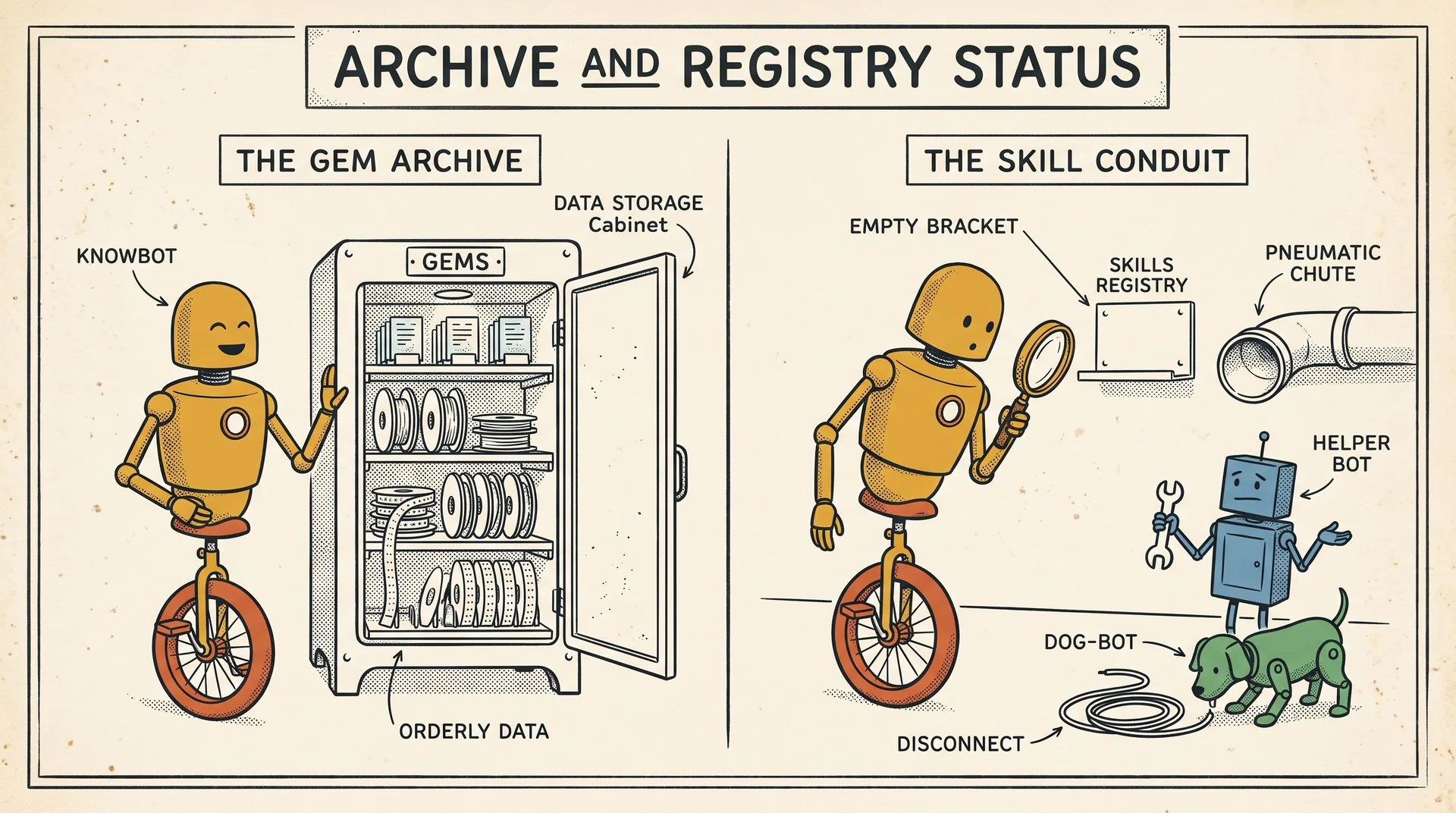
Gems Are Becoming Skills, but I Can Find My Gems, Not My Skills
I am using Gemini more and more for editorial and creative work. I like it for developing ideas and roughing out illustrations, while I tend to use other tools for purely operational jobs. That has meant spending quite a bit of time playing with Gems.
-
Space to be human
A week of new school routines and a storm and flood, and what I needed was space to be human.
-
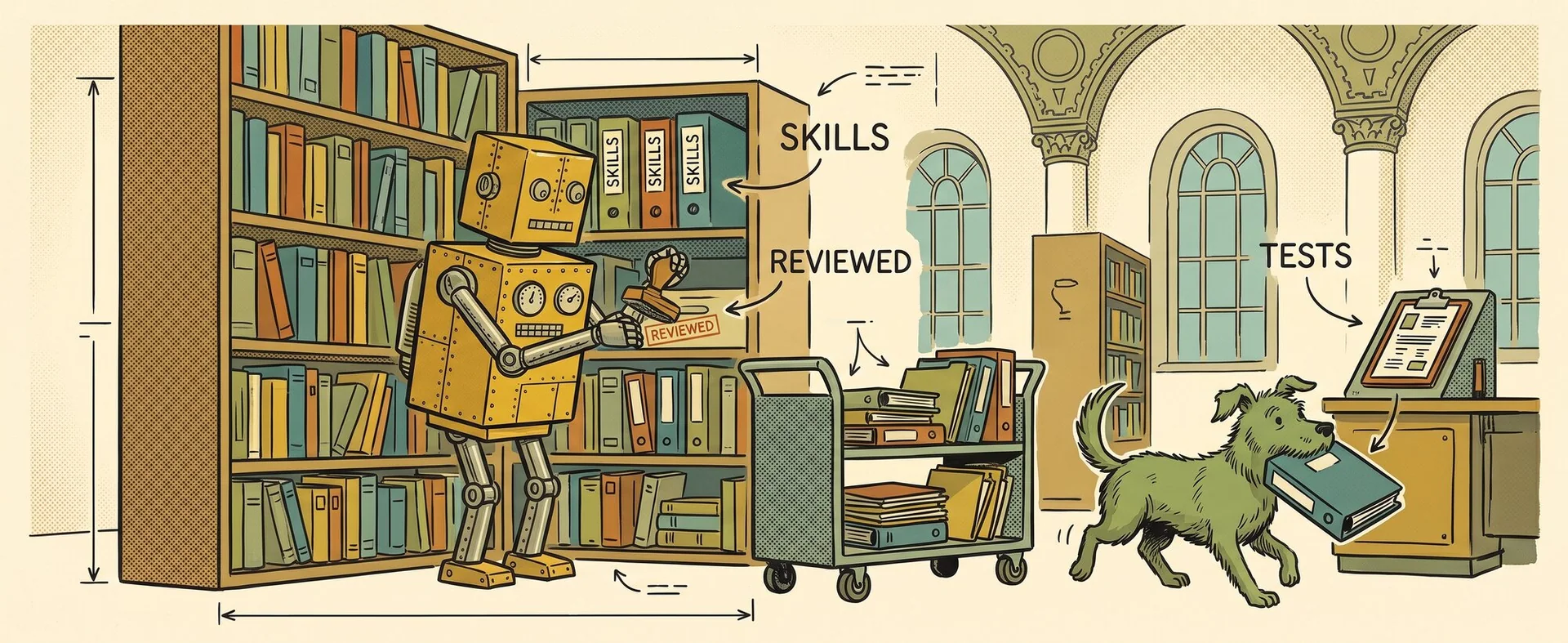
How developers organise and maintain agent skills
An Ask HN discussion describes skills as repeatable workflows, with shared repositories, human review, behavioural tests and updates across coding tools.
-
Handing off the 60%
Planning is 40% of a task; execution is the 60% that eats your week. Plus vibe sourcing — finding the open-source tool instead of generating one.
-
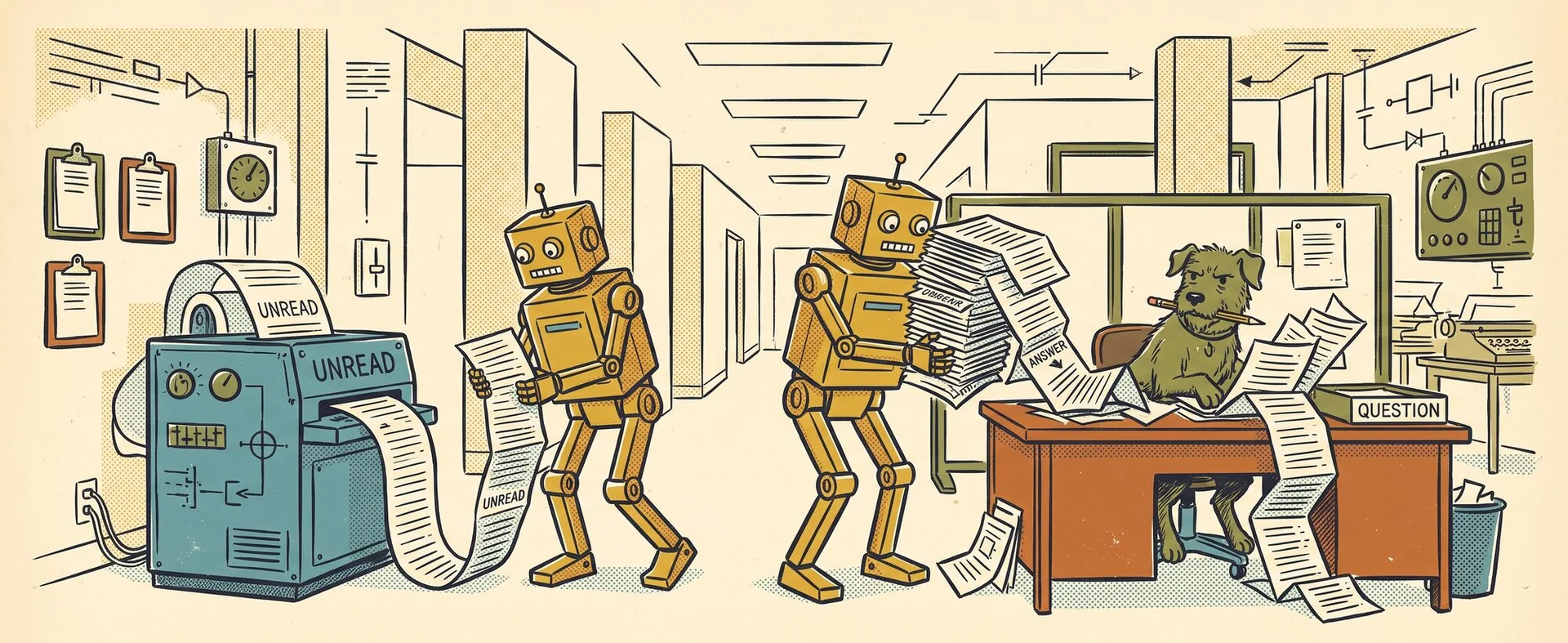
SoN 2.31: Don't be a meat proxy
A meat proxy forwards an AI's answer without reading it. That hands the next person more work than the question did.
-
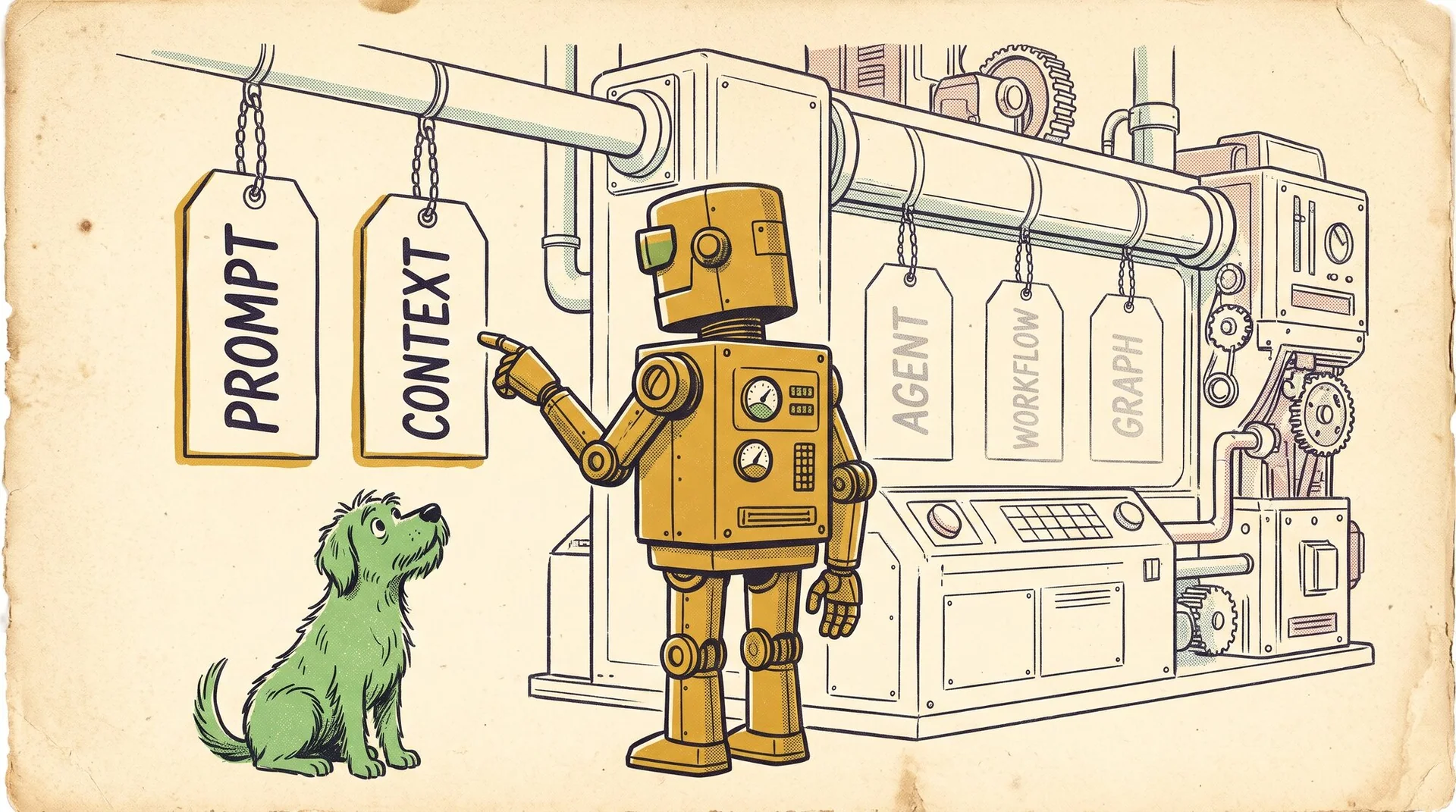
Five words for the same thing
The jargon is doing less work than it looks.
-
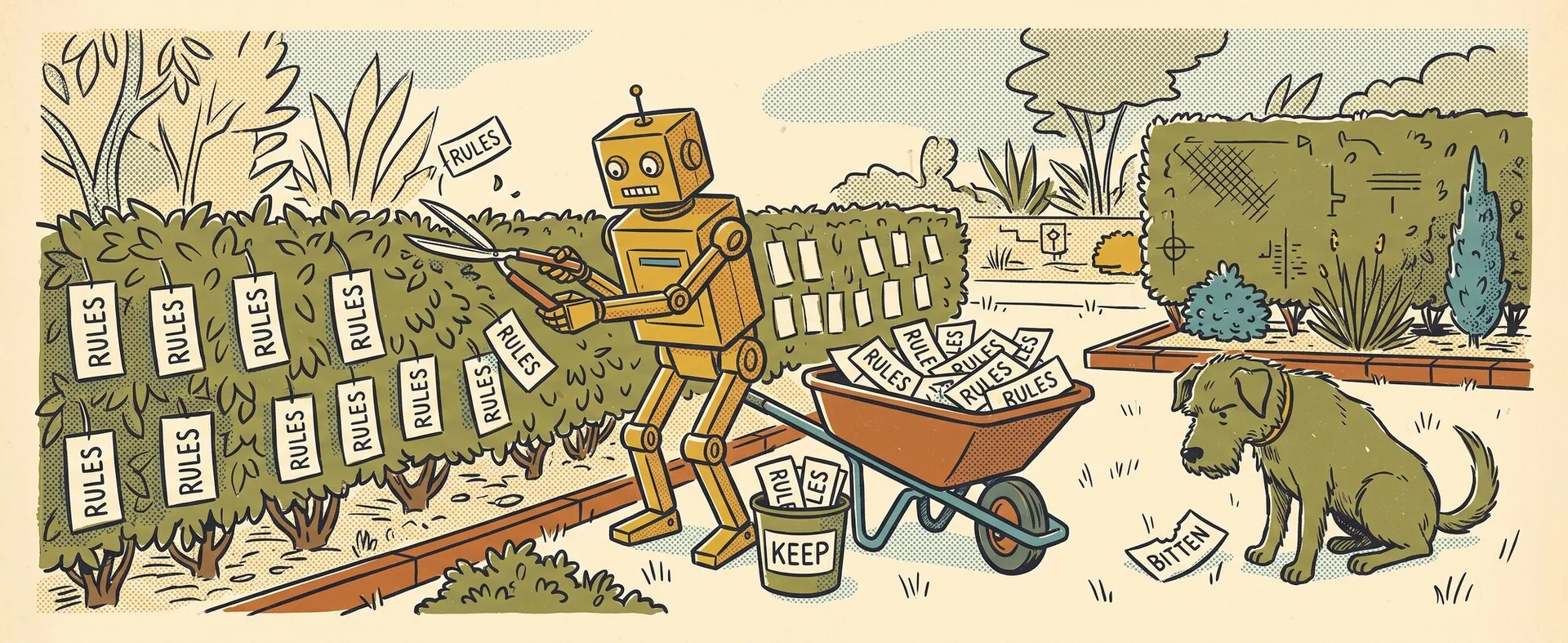
SoN 2.30: Which of your AI's rules are still doing a job?
Last week's advice and Anthropic's both hold. The test is one question you can ask about any rule you've written.
-
From Custom Code to Conversational Prompts
Who's allowed to build software has changed hands three or four times in a decade. Grok Build is the latest handoff.
-
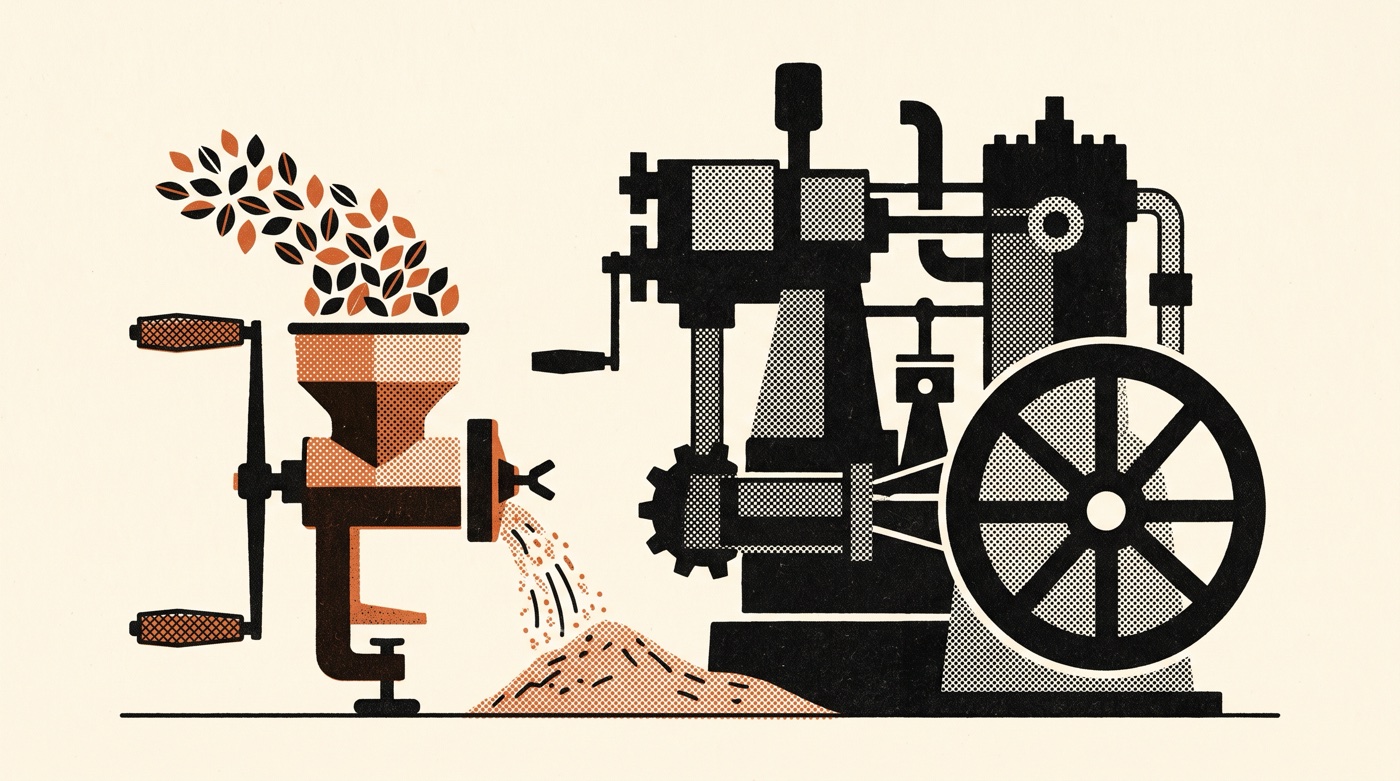
The Donkey Work Doesn't Need a Genius
A $500 fine-tune of a 9B open model beat every frontier model on a catalogue-review task. I haven't trained anything.
-
Rehearse the Deck You Didn't Write
The illusion of explanatory depth is what happens when the first test of your understanding is live, in front of people.
-
Kimi K3 Is Open. I Still Can't Run It.
2.8 trillion parameters, 1.4 terabytes of memory to run it. Open weights existing and open weights being usable have stopped being the same claim.
-
"AI Found a Security Bug" Is the Wrong Headline
Claude found a real improved attack on HAWK and a new technique against reduced-round AES-128. The interesting part isn't that it found them.
-
Hubble, and the Assumption Baked Into a Notes App Now
"The best notepad for you and your agents." Hubble designs the note format around a second reader from the start.