
TL;DR
Trellner Research asked Perplexity’s two sonar models for the best products across 380 software categories and kept all 7,534 citations: 59.8% point at domains ranked worse than #100,000, 23.4% at domains outside the top million, and Wikipedia appears three times. Three sites sharing a registrar and nameservers supplied 181 of those citations and have published 215,128 generated “best software” pages between them, with two describing themselves in their page titles as grounding pages for machines. The consequence runs both ways: read the citations before acting on an AI product recommendation, and if you sell software, check what these engines are telling buyers about your category. The uncertainty: the study covers two Perplexity models on one day and deliberately excludes Google, so it says nothing about what ChatGPT or Gemini retrieve.
In plain English
Grounding — the step where an AI fetches web pages before answering, so its reply is based on retrieved documents rather than memory alone. The pages it fetches are its evidence.
Citations — the list of URLs a model actually retrieved. Perplexity reports these, which is what made the study possible.
Tranco rank — a research ranking of the world’s most-visited websites. A domain ranked worse than #100,000 gets very little human traffic.
Long tail — the very large number of low-traffic sites beyond the well-known ones. In this study it supplied most of the evidence.
Trellner Research put 380 buyer-intent software categories to Perplexity’s sonar and sonar-pro models through OpenRouter on 2 September, one prompt per category per model, 760 calls in total, and kept every URL the models retrieved. Both models report their citations, which is why they were chosen. That produced 7,534 citations across 2,055 distinct domains, each of which was then looked up in the Tranco top-million list and the Wayback Machine.
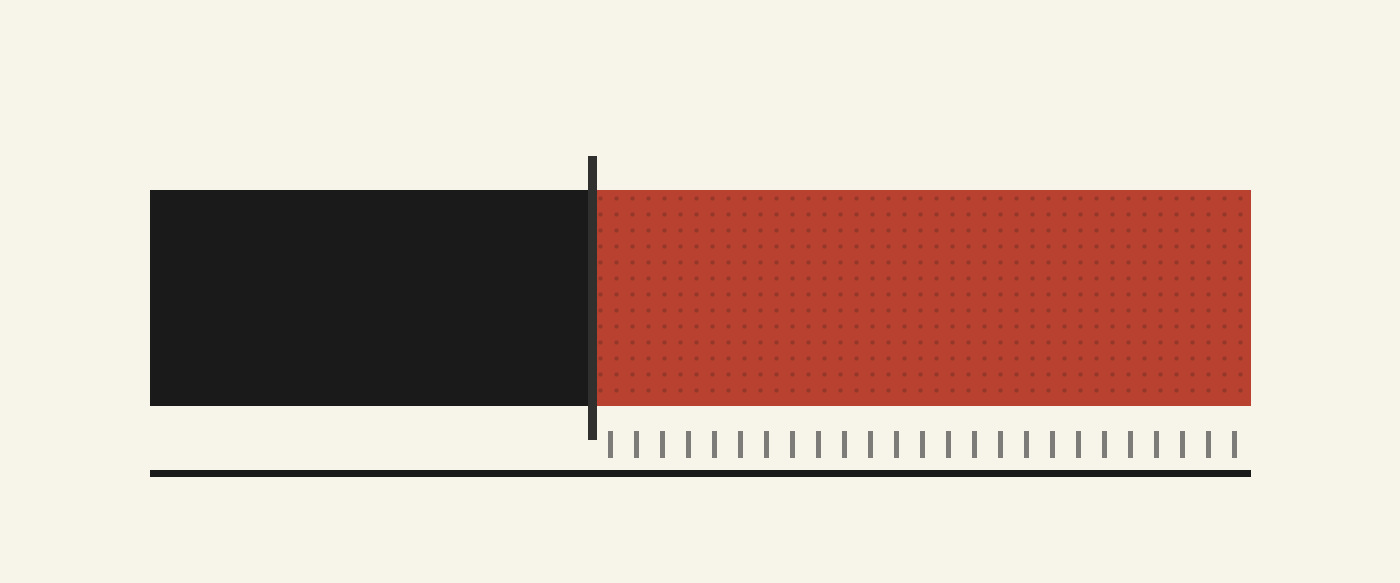
Of those 7,534 citations, 59.8% point at domains ranked worse than #100,000, and 23.4% at domains not in the top million at all. The median rank among citations landing on a ranked domain is 71,611. Wikipedia was cited three times. The ten most-cited domains take only 17.3% of citations, so this is not a small group of well-known sites supplying the answers — most of the evidence comes from the long tail.
Three of those domains share a registrar and a nameserver pair, and supplied 181 citations between them. They have published 215,128 generated “best software” pages, and two describe themselves in their page titles as grounding pages.
If you sell software, you are already being ranked by sites like these, in categories you may not compete in, on evidence nobody audits, and those rankings are being read back to buyers as answers. Nobody sends you a notification when it happens. You can find out the same way Trellner did: ask a web-grounded model what the best tool in your category is, and read the citations rather than the answer. Whatever comes back is what a prospective customer is being told, sourced from wherever it was sourced from.