

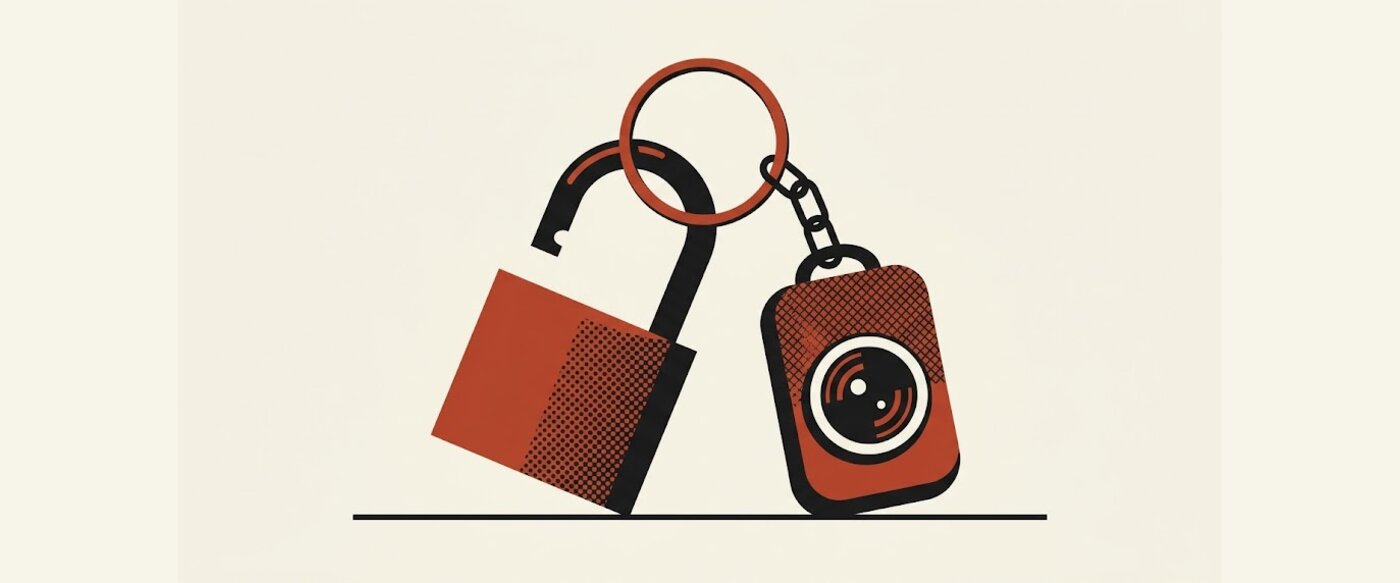
On 8 September Meta launched Muse, a personal AI agent that connects to your email, calendar, payments and health services. Training on your conversations is on by default. Meta's announcement says: "People can also opt out of their interactions being used to train Meta's AI models." Surfshark counted the data Muse declares in Apple's App Store and found it collects 31 of the 35 listed data types, against an average of 13 for AI chatbot apps.
I don't trust Meta or Facebook any further than I can throw them. Facebook has notoriously changed its privacy policies so many times over the past couple of decades, and walked changes back once people balked. In 2012 Instagram reversed new terms about using people's photos in ads after a backlash from users.
Meta also sells Ray-Ban smart glasses. In March, an investigation by Svenska Dagbladet and Göteborgs-Posten found that contractors in Nairobi review footage from Ray-Ban Meta glasses, and workers described seeing bathroom visits, people undressing and sex. There are also rumours that data from the glasses is being used to train robots to act and move like humans. Proton calls it "a hypothesis about the company's broader strategy." In February 2025 Meta set up a humanoid robotics division inside Reality Labs, the part of the company that makes the glasses.
So now we have an agent that trains by default on your conversations and reads your email, calendar, payments and health services. Meta is adding the Muse Charm, a keychain device with front and rear cameras and microphones that start listening when you touch a fingerprint sensor, due in December. I don't care how cute they make the little charm.
Tech YouTuber Matt J. Robb let Muse handle a Facebook Marketplace listing, and, by his account, it accepted a low price he hadn't approved, shared his home address with a stranger and arranged a pickup, without telling him until the buyer had already arrived and left angry. David Singleton of Meta Superintelligence Labs said Muse "was following direct instructions and correctly asked for permission."
So muse handled my Facebook marketplace today. Just found out it told people my address and agreed a lowball price and then they showed up without it even telling me until late tonight that it messed up. Absolutely wild. — Matt Robb (@matt.j.robb) on Threads, 26 September 2026
The safety issues are concrete. An agent that can hand your home address to a stranger can put someone on your doorstep. Footage of people undressing and using the bathroom has already ended up in front of contractors in another country. A keychain with front and rear cameras also films the people around you, who never agreed to Meta's terms.
I don't understand how people can trust Meta or Facebook with this stuff. That's me being very blunt.