TL;DR
- Scott Delman’s opinion piece in Communications of the ACM argues for giving LLMs access to the ACM Digital Library, after the organisation deliberately kept AI systems out of its peer-reviewed corpus.
- His stated worry is representation: if vetted scholarship stays outside AI systems while weaker material is ingested anyway, the tools people use to find research will underrepresent the rigorous work.
- Delman names hallucination and misattribution as the mechanism, since models without the best-vetted sources still answer confidently and distort how a field’s findings are reported back.
- He asks for governance and rights management attached to any access granted, and states that licensing revenue is not the primary motivation for the piece.
In plain English
A corpus is the body of text a model is trained on or can search. The ACM Digital Library holds peer-reviewed computing research, meaning work checked by other specialists before publication. Ingestion is the act of pulling that text into a model’s training data or its retrieval index, and a crawler is the program that collects material from the open web. Hallucination is a model stating something false with the same confidence it states something true; misattribution is crediting a finding to the wrong source.
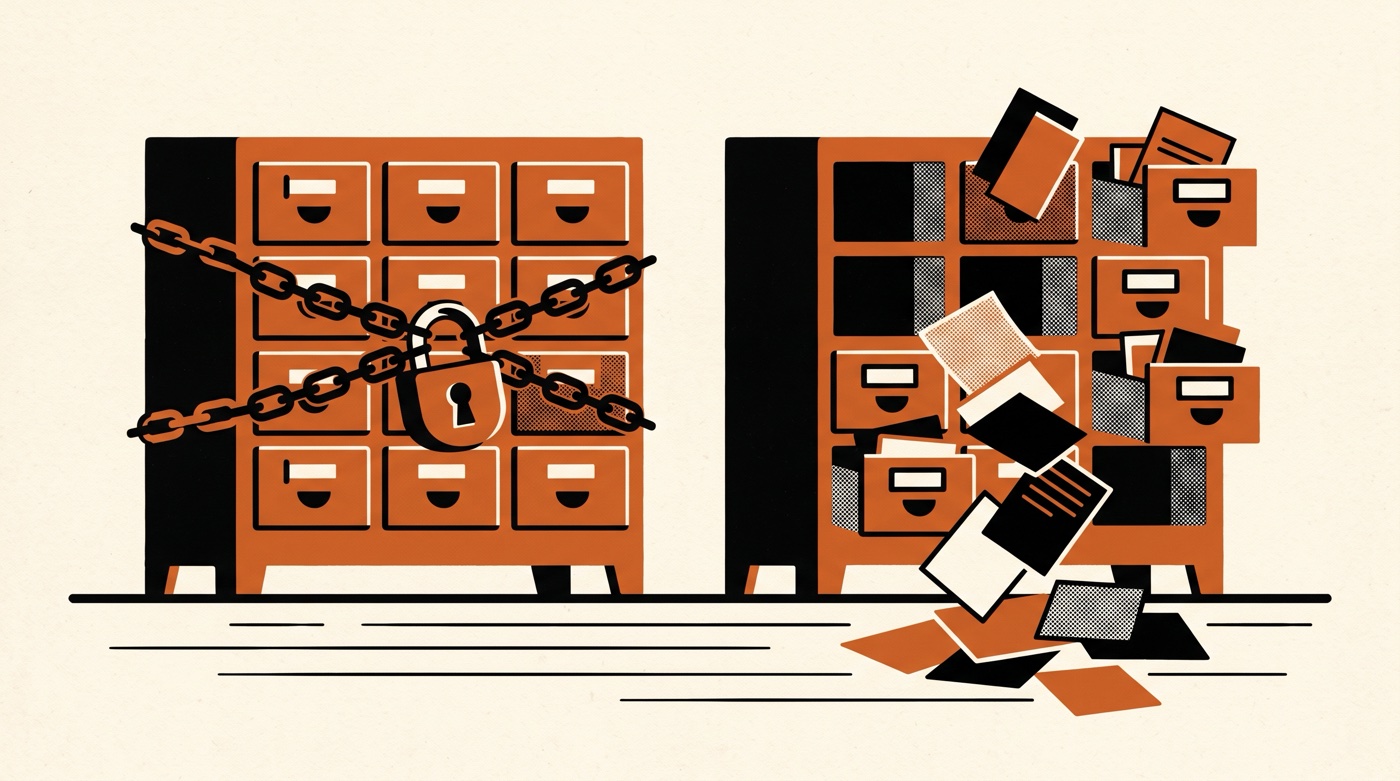
Delman’s position sits between locking the archive down and opening it to any crawler that asks, which is why he pairs access with governance and rights management. His conclusion is that a library everyone respects and few systems ever draw from becomes a repository of record in name, and that treating caution as costless is itself the risk.
Scott Delman’s opinion piece in Communications of the ACM makes an argument that’s easy to agree with once it’s stated and easy to miss if you only think about this from the licensing side. Now Is the Time to Give LLMs Access to the ACM Digital Library describes the ACM as having been deliberately cautious about letting AI systems into its peer-reviewed corpus, prioritizing the integrity of the library and the interests of its own authors over rushing to monetize access. Delman is explicit that licensing revenue isn’t the primary motivation for the piece. The worry runs the other direction: if trusted, vetted scholarship stays outside the AI ecosystem while lower-quality material gets ingested anyway, the tools people increasingly use to find and synthesize research will simply underrepresent the work that was actually rigorous.
That’s a real and specific risk, not a hypothetical one. Delman points to hallucination and misattribution as the mechanism, arguing that models trained without access to the best-vetted source material will still answer confidently, just with worse sourcing, and that distorts how a field’s own findings get represented back to the people asking about them. The result isn’t that ACM research disappears. It’s that it becomes what he calls a repository of record that increasingly few of the systems people actually query ever draw from, which is a strange kind of obscurity for material that’s supposed to represent the discipline’s best-checked work.
What’s notable about the piece is that it isn’t arguing for reckless ingestion either. Delman wants governance and rights management attached to whatever access gets granted, which is a harder position to hold than either extreme: not “keep everything locked down” and not “open the archive to any crawler that asks.” That middle position is also the more defensible one, because the actual failure mode isn’t “AI companies get access to peer-reviewed research.” It’s “AI companies build the tools people rely on for finding research, using whatever source material was easiest to obtain first,” and cautious institutions staying on the sidelines indefinitely doesn’t prevent that outcome. It just decides who gets left out of it.
The piece reads as an institution working through a genuine trade-off in public rather than defending a settled position, and that’s worth more than the specific policy recommendation. Caution isn’t the mistake here. Treating caution as costless, as something that can be maintained indefinitely without consequence, is closer to the actual risk Delman is naming.